Claim Your Free Estimate Today
Property Development Consultant: A Complete Guide for Property Owners
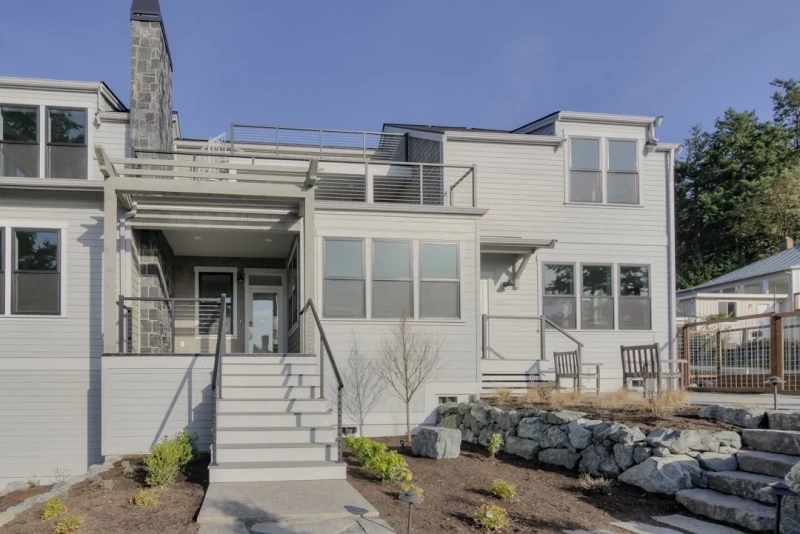
Whether you’re building your first investment property, developing a residential subdivision, or planning a commercial project, property development involves far more than construction alone. From site selection and budgeting to permits, design coordination, and project management, every stage requires careful planning to ensure success.
This is where a property development consultant becomes an invaluable partner. Their expertise helps property owners navigate complex decisions, avoid costly mistakes, and keep projects moving from concept to completion.
In this property development guide, you’ll learn what does a property developer do, the role of a property development consultant, the steps in property development, and practical property development tips to help you achieve your goals with confidence.
What Is a Property Development Consultant?
A property development consultant is a professional who advises and supports property owners throughout the planning and execution of residential, commercial, industrial, or mixed-use developments.
Rather than performing construction work themselves, consultants provide strategic guidance, coordinate project teams, evaluate financial feasibility, and help manage risks throughout the entire development process.
Their expertise allows developers, investors, and landowners to make informed decisions while maximizing the value of their investment.
What Does a Property Developer Do?
Many people ask, what does a property developer do?
A property developer oversees the process of transforming land or existing buildings into profitable or functional real estate. This may involve purchasing land, securing approvals, coordinating architects and contractors, managing budgets, and marketing completed properties.
While developers often make the key investment decisions, a property development consultant provides the technical knowledge and professional guidance needed to support those decisions.
Together, they work toward completing projects efficiently, on budget, and in compliance with local regulations.
Services Provided by a Property Development Consultant
Every project has unique requirements, but consultants commonly provide a wide range of services.
1. Site Assessment and Feasibility Studies
Before purchasing land or beginning development, consultants evaluate whether a project is financially and technically viable.
This typically includes:
- Site analysis
- Market demand research
- Zoning review
- Utility availability
- Environmental considerations
- Preliminary budgeting
A thorough feasibility study helps determine whether the project is worth pursuing before major investments are made.
2. Project Planning
Careful planning forms the foundation of successful development.
Consultants help establish:
- Project objectives
- Development timelines
- Budget forecasts
- Risk management strategies
- Design coordination
- Construction schedules
Strong planning reduces unexpected delays and improves overall project efficiency.
3. Budgeting and Financial Analysis
Cost management is one of the consultant’s most valuable contributions.
They help estimate:
- Land acquisition costs
- Design expenses
- Permit fees
- Construction budgets
- Financing requirements
- Contingency allowances
Accurate financial planning helps prevent cost overruns during construction.
4. Regulatory Compliance
Property development often involves numerous approvals from local authorities.
Consultants assist with:
- Planning applications
- Building permits
- Environmental compliance
- Utility coordination
- Zoning requirements
- Development approvals
Their experience helps minimize delays caused by incomplete documentation or regulatory issues.
5. Team Coordination
Successful developments rely on collaboration between multiple professionals.
A property development consultant often coordinates communication among:
- Architects
- Engineers
- Surveyors
- Contractors
- Local authorities
- Utility providers
- Financial institutions
Keeping everyone aligned helps projects stay on schedule.
Steps in Property Development
Understanding the steps in property development helps property owners prepare for each stage of the process.
1. Identify Development Goals
Every successful project begins with clear objectives.
Ask yourself:
- Is this an investment property?
- Will it generate rental income?
- Is it intended for resale?
- Will it serve commercial purposes?
Clearly defined goals guide every decision that follows.
2. Conduct Site Evaluation
The property is assessed for:
- Accessibility
- Utilities
- Soil conditions
- Environmental constraints
- Zoning compatibility
- Market potential
This stage determines whether the site supports your intended development.
3. Complete Feasibility Analysis
Financial feasibility examines expected costs and projected returns.
Consultants compare development expenses against estimated market value to determine project profitability.
4. Secure Permits and Approvals
Before construction begins, the project must comply with applicable regulations.
Depending on location, approvals may include:
- Planning permission
- Building permits
- Environmental reviews
- Utility approvals
- Infrastructure agreements
5. Design and Planning
Architects and engineers prepare detailed construction drawings while consultants ensure the design aligns with project goals and budget.
6. Construction Phase
Once approvals are secured, construction begins.
Consultants monitor progress, coordinate contractors, manage schedules, and help resolve issues as they arise.
7. Project Completion
After inspections and final approvals, the property is prepared for occupancy, leasing, or sale.
Consultants may also assist with project closeout and final financial reviews.
Benefits of Hiring a Property Development Consultant
Working with an experienced consultant offers significant advantages throughout the project lifecycle.
1. Better Decision-Making
Consultants provide objective advice based on industry experience, allowing property owners to make informed decisions rather than relying on assumptions.
2. Reduced Risk
Development projects carry financial, legal, and construction risks.
Professional guidance helps identify potential problems before they become costly setbacks.
3. Improved Budget Control
Accurate planning and ongoing financial oversight reduce unexpected expenses and help keep projects within budget.
4. Faster Project Delivery
Experienced consultants anticipate delays and coordinate project teams efficiently, helping maintain realistic schedules.
5. Access to Industry Knowledge
Consultants understand current market conditions, construction practices, regulatory requirements, and emerging development trends that benefit your project.
Property Development for Beginners
If you’re exploring property development for beginners, hiring a consultant can significantly reduce the learning curve.
First-time developers often underestimate the complexity involved in managing permits, budgeting, contractors, and timelines.
A consultant helps simplify the process by providing expert guidance from the earliest planning stages through project completion.
Instead of learning through expensive mistakes, beginners gain access to proven strategies that improve project outcomes.
Property Development Tips
Successful developments begin with careful planning rather than rushing into construction.
Some valuable property development tips include:
- Clearly define your development goals.
- Research the local property market.
- Complete a feasibility study before purchasing land.
- Build realistic budgets with contingency funds.
- Hire experienced consultants and contractors.
- Understand local zoning regulations.
- Prioritize quality over short-term cost savings.
- Maintain regular communication with your project team.
- Monitor project progress closely.
- Plan for unexpected delays or market changes.
Following these practices can significantly improve your chances of completing a successful project.
How to Choose the Right Property Development Consultant
Not all consultants offer the same level of expertise.
When selecting a property development consultant, consider the following:
1. Relevant Experience
Look for consultants with successful projects similar in size and type to yours.
2. Local Knowledge
An understanding of local planning regulations, zoning requirements, and market conditions is essential.
3. Strong Communication Skills
Choose someone who explains complex information clearly and keeps you informed throughout the project.
4. Professional Network
Experienced consultants often have established relationships with architects, engineers, contractors, and local authorities, helping projects progress more smoothly.
5. Transparent Fees
Request a detailed explanation of services, pricing, and project responsibilities before signing an agreement.
When Should You Hire a Property Development Consultant?
Many property owners assume consultants are only necessary for large commercial projects.
In reality, hiring one can provide value whenever:
- You’re purchasing land for development.
- You’re planning your first development project.
- The project involves multiple approvals.
- You’re working with several contractors.
- You want to minimize financial risk.
- The development has a significant investment value.
Bringing a consultant into the project early often leads to better planning and fewer costly surprises later.
Final Thoughts
A property development consultant provides the expertise, planning, and coordination needed to turn development ideas into successful projects. From feasibility studies and budgeting to regulatory approvals and construction oversight, consultants help property owners navigate every phase with greater confidence.
Whether you’re exploring property development for beginners or managing a large-scale commercial investment, understanding the steps in property development can help you make informed decisions and avoid common pitfalls. By following this property development guide and applying practical property development tips, you’ll be better prepared to manage risks, control costs, and achieve your long-term property development goals.